The Playground as an Integrative Therapeutic Space for Childhood
Editorial note — Mundo Reiki
Vanessa Lima Nunes writes from her experience in Education and from her attentive perspective on childhood, learning, and the different ways children express themselves.
The playground can be an important integrative therapeutic space in childhood, as it offers children opportunities to play, move, explore, imagine, create bonds, and express feelings in different ways. In free play, children find possibilities to give meaning to their experiences and work through situations that they are often not yet able to communicate through words.
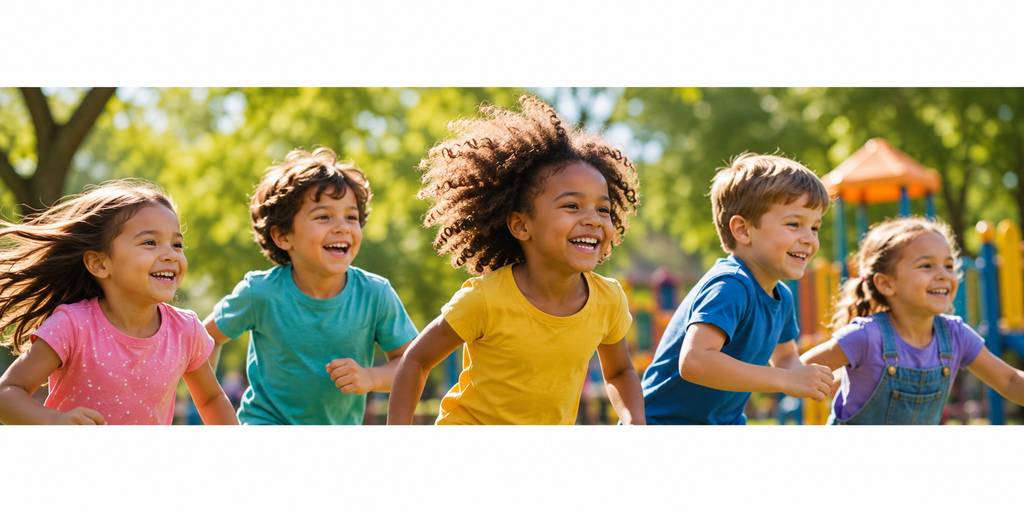
Outdoor Space and Childhood Experiences
Outdoor space encourages sensory, motor, social, and emotional experiences. Running, climbing, going down, swinging, building, observing nature, inventing games, and negotiating rules are actions that contribute to children’s integral development. Each experience can contribute to the development of autonomy, confidence, and the perception of oneself and others.
“In free play, children find possibilities to give meaning to their experiences and work through situations that they are often not yet able to communicate through words.”
The Playground as a Space for Socialisation
The playground also constitutes a privileged space for socialisation. By playing with other children, children learn to wait, share, cooperate, deal with conflicts, recognise limits, and experience different ways of living together.
Meeting others makes possible forms of learning that do not occur only through adult guidance, but also through lived experience itself.
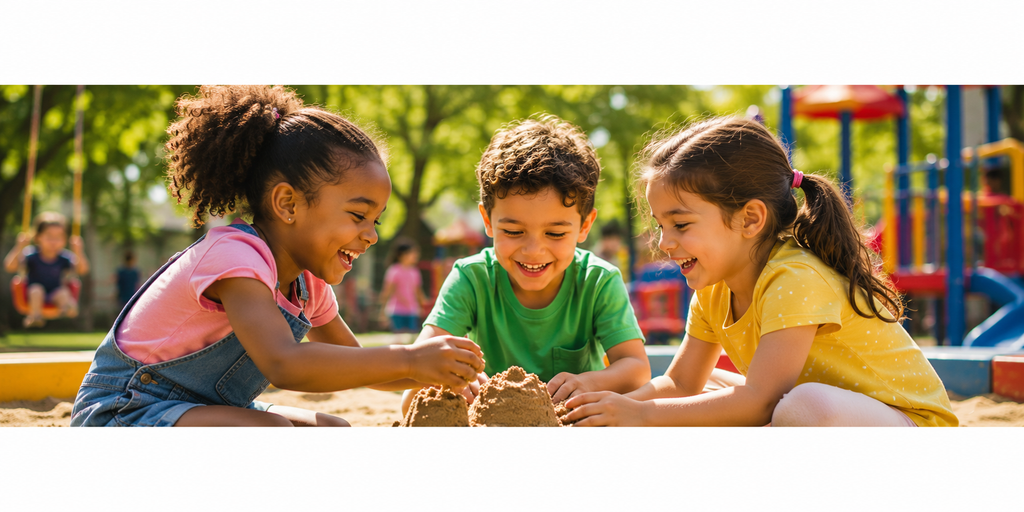
The Presence of the Adult
In this context, the caring adult or educator plays a fundamental role. More than directing every game, it is important to be present, observe, listen, and recognise what children communicate through their actions.
Active listening makes it possible to notice changes in behaviour, emotional needs, interests, and particular forms of expression.
“More than directing every game, it is important to be present, observe, listen, and recognise what children communicate through their actions.”
The Quality of Time
The quality of time is also essential. In a reality marked by adults’ lack of time, children often receive physical presence but little emotional availability.
Being at the playground can represent an opportunity to slow down, share experiences, and build meaningful bonds. It is not only the amount of time that matters, but the quality of the presence offered to children.
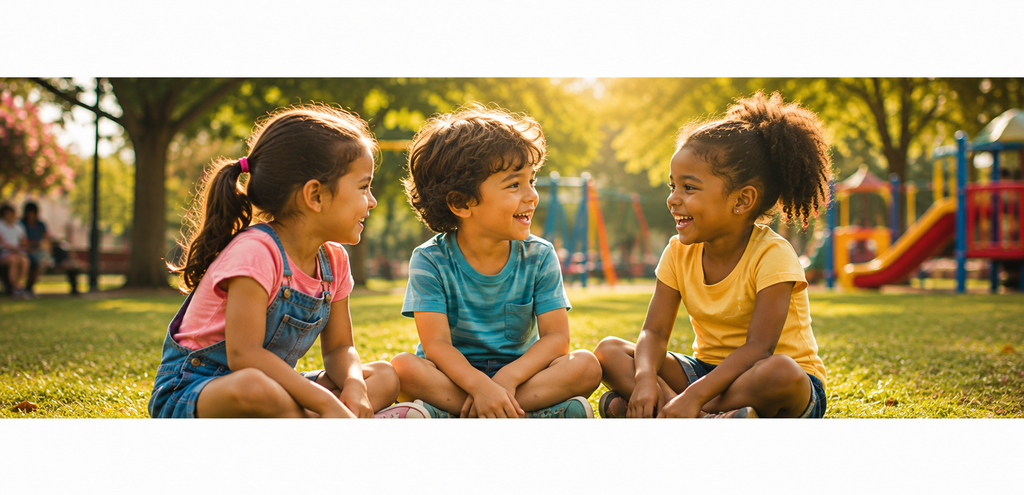
A Space That Welcomes the Child as a Whole
Thus, the playground can be understood as an integrative therapeutic space because it welcomes children in their entirety: body, emotion, thought, imagination, relationships, and creativity.
This is not about turning play into a clinical intervention, but about recognising that welcoming, safe, and emotionally available environments have the potential to support children’s development, expression, and well-being.
When adults understand play as a language of childhood, the playground ceases to be merely a place to spend energy and becomes recognised as a territory of discoveries, bonds, the processing of experiences, and the construction of meaning.
“In childhood, playing is also a way of saying: ‘This is how I am experiencing the world.’”
About the Author
Vanessa Lima Nunes is a pedagogue, literacy educator, specialist in Childhood Cultures, and neuropsychopedagogue. She works in Education and dedicates her work to observing and understanding the different processes of learning and development in childhood.
She is also a practitioner of Radionic Tables, a reader, a curious person, and a researcher of integrative therapies. Her experience as an educator informs writing marked by the observation of everyday life, reflections on childhood, and an interest in understanding different forms of expression, learning, and care.
As a contributor to the Mundo Reiki Library, Vanessa shares her experiences and reflections on childhood, education, presence, and integral care.
📍 Pelotas – Rio Grande do Sul, Brazil
Read also
Childhood Needs Time to Exist
Read the article
Learn more about the author
Vanessa Lima Nunes
Visit the author’s page