School Holidays: Where Will Children Stay, and What Do They Hope to Experience?
A reflection on childhood, the right to rest, and the importance of listening to children.
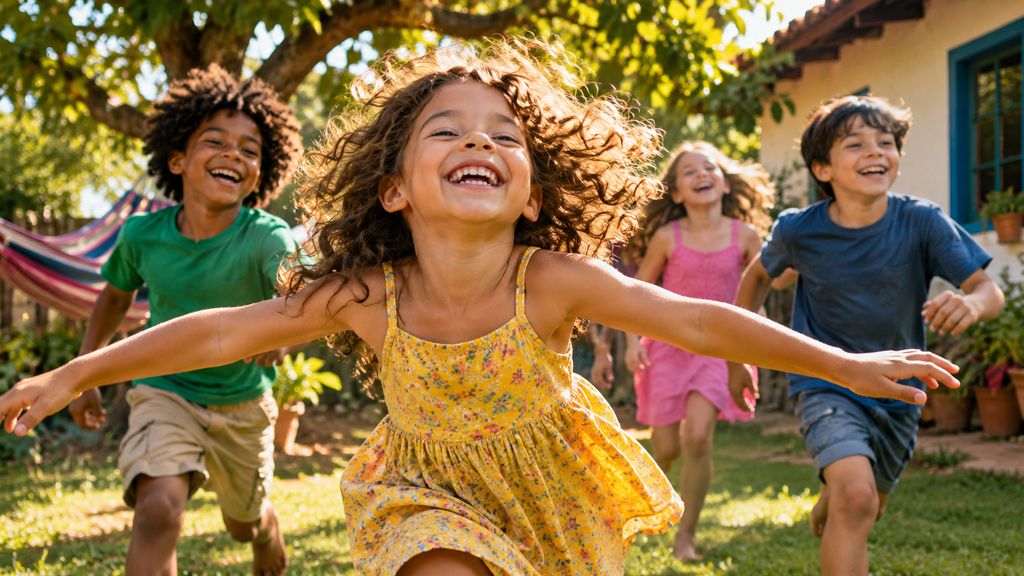
As the school holidays approach, one question begins to circulate among families: where will the children stay?
It is a legitimate concern. After all, the school calendar does not always align with adults’ work schedules. While classes come to an end, professional commitments and the responsibilities of everyday life continue.
But amid so many concerns about organizing the holidays, there is a question we do not always ask: what do children hope to experience during this time?
At school, as the holidays approach, I like to observe the conversations that arise among the children. Some excitedly talk about visiting their grandparents. Others mention sleeping in, playing with their cousins, watching cartoons, or simply not having to get up early.
There are children who have no trips planned or special outings ahead. Even so, they show happiness at the possibility of staying home, playing outside, meeting friends, or spending more time with someone they care about.
These small conversations reveal something important: children’s expectations do not always correspond to what adults consider an interesting or well-spent holiday.
When Holidays Become a Matter of Organization
As adults, we learn to organize our time around obligations. There are working hours, commitments to meet, and responsibilities that do not disappear when school holidays arrive.
For this reason, many families need to find alternative childcare arrangements. Some turn to grandparents, others to relatives, holiday programs, or trusted caregivers.
However, when we think exclusively about where a child will stay, we risk turning their holidays into a logistical matter.
The child becomes part of the adults’ routine, adapting to available schedules and occupying the spaces that family arrangements allow.
It is clear that not all families have the means to offer choices. Social inequalities, working hours, and the lack of public childcare policies deeply shape childhood experiences.
The intention is not to hold families responsible for a reality that often goes beyond their possibilities, but to recognize that, even within these limitations, children have desires, feelings, expectations, and their own way of experiencing time.
Does Childhood Time Need to Be Productive?
We live in a society that values constant activity. It seems that every moment must be filled with an activity, a learning opportunity, or an experience considered enriching.
This way of thinking also reaches children.
School holidays, which could represent a break from the school routine, are often filled with courses, workshops, and structured activities.
There is nothing wrong with taking part in these experiences. Many can be enjoyable, encourage social interaction, and broaden cultural horizons. The issue arises when even children’s rest begins to be measured by the number of activities they complete.
Childhood also needs free time.
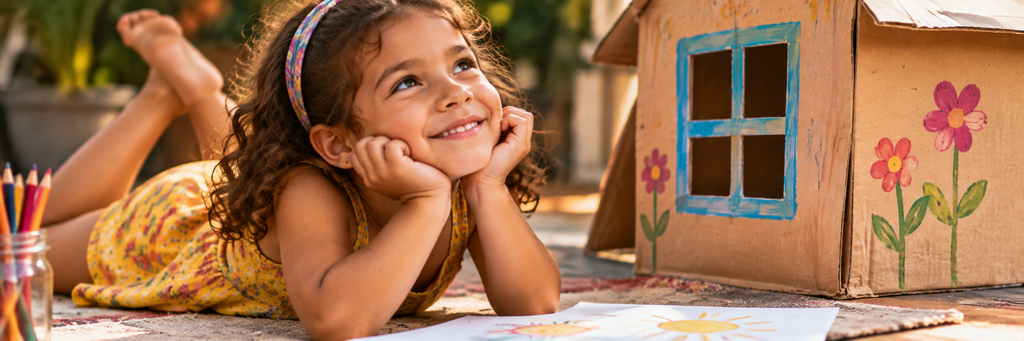
Time to invent games, create stories, observe the world around them, talk without rushing, and discover what to do when no one assigns them a task.
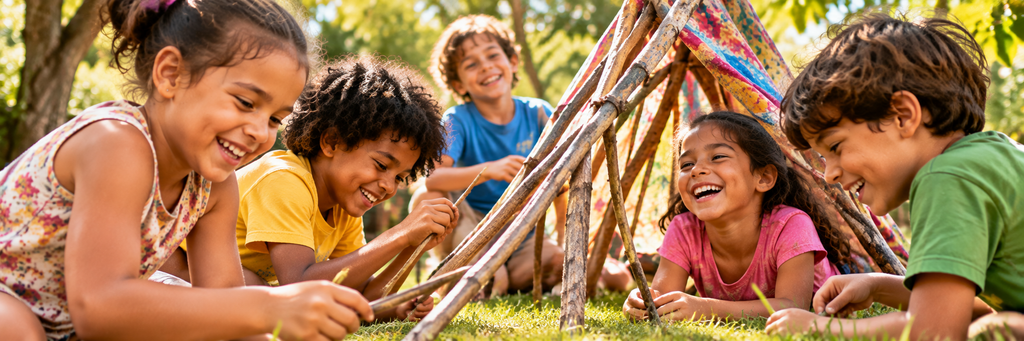
Spontaneous play is not a lesser activity. It is one of the ways children experience the world, process their experiences, build relationships, and express their cultures.
Rest does not need to be justified by some future learning outcome.
Rest is also a child’s right.
What Makes a Place Meaningful?
When we think about where a child will spend the holidays, we usually consider practical matters: who will be available, which environment offers safety, and how schedules will be organized.
All of this matters. But there is another dimension that deserves attention: the bonds children establish with places and people.
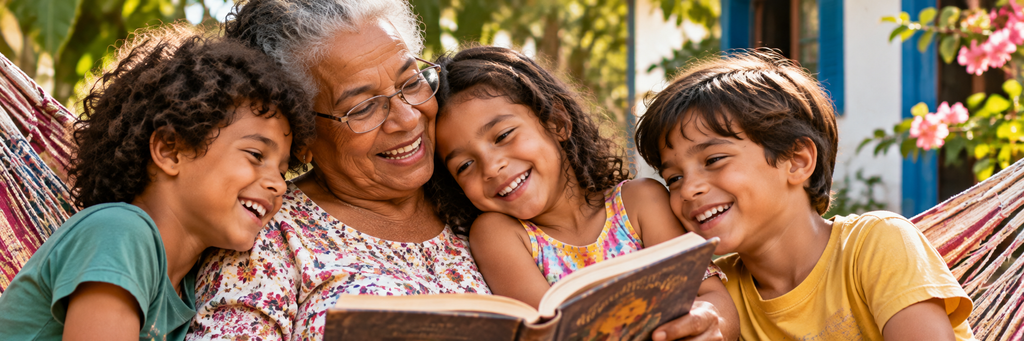
A grandmother’s home, for example, can represent much more than a place of care. It can be where stories are told, favorite meals are shared, cousins meet, and games take place that simply do not happen elsewhere.
Likewise, staying at home can mean having the opportunity to be close to their own toys, sleep a little longer, and experience a freedom that school days do not always allow.
The value of these experiences does not necessarily lie in the money spent or the number of activities offered, but in the relationships, memories, and meanings children attach to what they experience.
A place also becomes meaningful through the childhood experiences that take place there.
Holidays Are Also Childhood Experiences
As an early childhood educator, I notice that children reach the end of the school year carrying much more than academic learning. They carry stories, relationships, expectations, tiredness, discoveries, and desires.
School occupies an important part of their lives, but childhood is not limited to the school environment.
The holidays offer an opportunity to experience different rhythms, new encounters, and other ways of being in the world.
Perhaps it is not possible to completely transform the family’s routine during this period. Work continues to demand time and schedules, and opportunities for leisure are not the same for every child.
Even so, we can recognize the value of simple experiences, emotional bonds, and unstructured play. We can also listen to what children have to say about their own holidays, even when not all their wishes can be fulfilled.
Because holidays do not need to be extraordinary to create meaningful memories and emotional experiences that will become part of the adult they grow into.
And when the question arises once again about where the children will stay, perhaps we can add another equally important question:
In that place, will there be room for them to experience their childhood?
About the Author
Vanessa Lima Nunes
Educator, literacy teacher, specialist in Childhood Cultures, and neuropsychopedagogue. She works in education and dedicates her professional practice to understanding childhood, learning, and the different ways in which children express themselves and develop.
Throughout her career, she has developed an attentive perspective on what children communicate not only through words, but also through their bodies, behavior, play, silence, drawing, music, and other forms of expression.
Author’s page: https://mundoreiki.com.br/autor/vanessa-lima-nunes-en/