Phytotherapy in Brazil
Traditional Knowledge, Territory and Recognition
In Brazil, knowledge about medicinal plants also has a very rich history.
Indigenous peoples were already using numerous species of Brazilian flora before the arrival of Europeans, with knowledge deeply connected to the territory and to the characteristics of each plant.
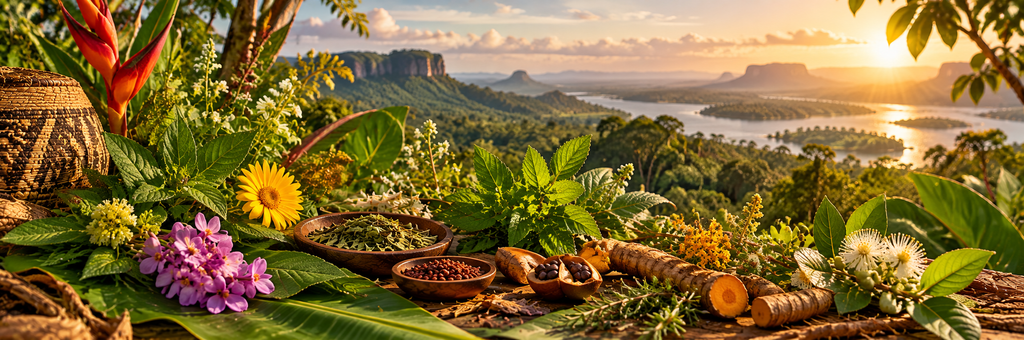
Later, this knowledge came together with knowledge brought by Europeans and Africans, forming an extremely rich and diverse popular tradition.
Today, phytotherapy is also part of Brazilian public policies.
The National Policy on Integrative and Complementary Practices (PNPIC) was established within the Brazilian Unified Health System (SUS) in 2006, through Ordinance GM/MS No. 971, expanding the recognition and provision of integrative practices within the SUS. Subsequently, other policies and updates expanded the presence of medicinal plants and phytotherapy in the public health system.
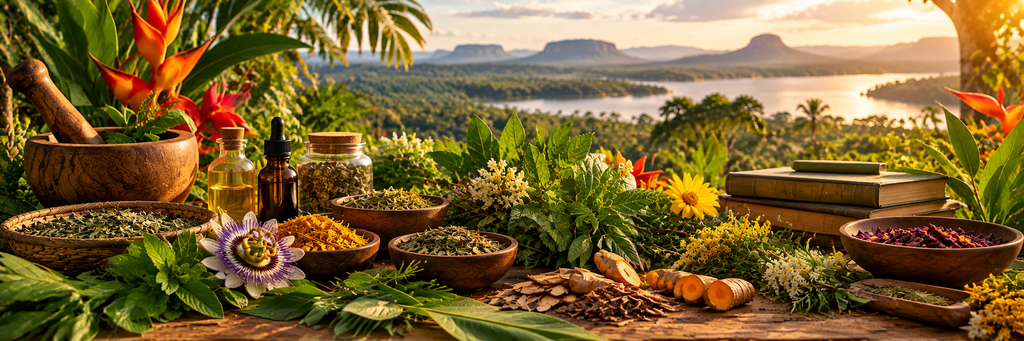
This represents an important step because it demonstrates that knowledge about medicinal plants does not need to remain restricted to popular knowledge: it can and should be studied, researched, regulated, and used according to criteria of quality and safety.
“It can and should be studied, researched, regulated, and used according to criteria of quality and safety.”
About the Author
With a Master’s degree in Naturopathic Sciences, postgraduate training in Clinical Phytotherapy, and qualifications as an Aromatherapist, Flower Therapist, Lithotherapist, Natural Cosmetics Designer, Yoga Teacher, and Advertising professional, Fernanda Gimenez has built her career by bringing together knowledge, nature, and education in the promotion of health and well-being.
In 2018, she founded Instituto Naturale, an institution dedicated to preserving natural knowledge through the teaching of integrative therapies, natural cosmetology, and a healthy lifestyle. Under her direction, the Institute has become a reference in the field, bringing together more than 10,000 students and contributing to the education of professionals and people interested in expanding their knowledge of natural practices.