Naturopathy and Healthy Eating
Care Also Begins at the Table
By Elke Franzeck — Clinical Integrative Therapist | Naturopath | Clinical Aromatherapist | Reiki Master
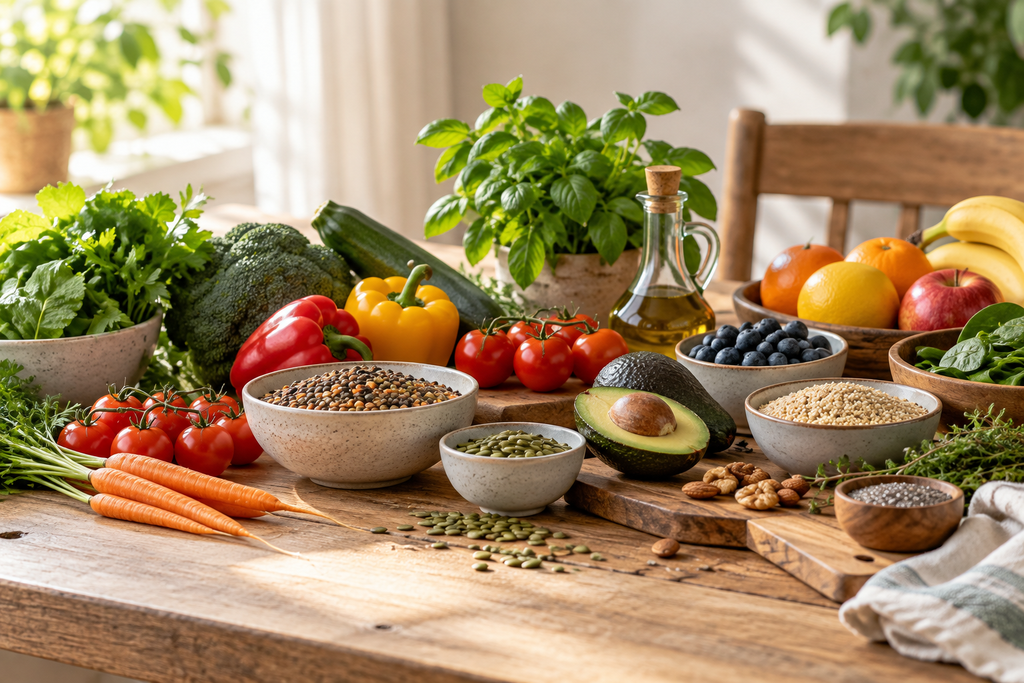
When we think about healthy eating, it is easy to immediately imagine a list of permitted and forbidden foods, diets, calories, or restrictions. From my perspective as a Clinical Integrative Therapist and Naturopath, however, eating healthily begins long before what we put on our plate.
It begins with the way we live.
Our body does not function through isolated parts. Food, digestion, sleep, movement, hydration, stress, emotions, and routine are continuously connected. Therefore, within a naturopathic approach, I do not look only at what a person eats, but also at how, when, and in what context they eat.
Every Person Has a Story — and Food Is Part of It
I do not believe in a perfect and universal diet.
One person’s needs can be very different from another’s. Age, routine, physical activity, preferences, food culture, health conditions, and even the emotional relationship built with food throughout life need to be considered.
Therefore, before talking about changes, it is important to observe.
What are mealtimes like? Is there time to eat calmly, or does everything happen in a rush? Is there variety on the plate? How is hydration? How is digestion functioning? How are sleep and energy levels? Is there physical hunger, or do we often eat in response to anxiety, tiredness, sadness, or simply out of habit?
These questions help us understand the person beyond the plate.
Returning to Simplicity
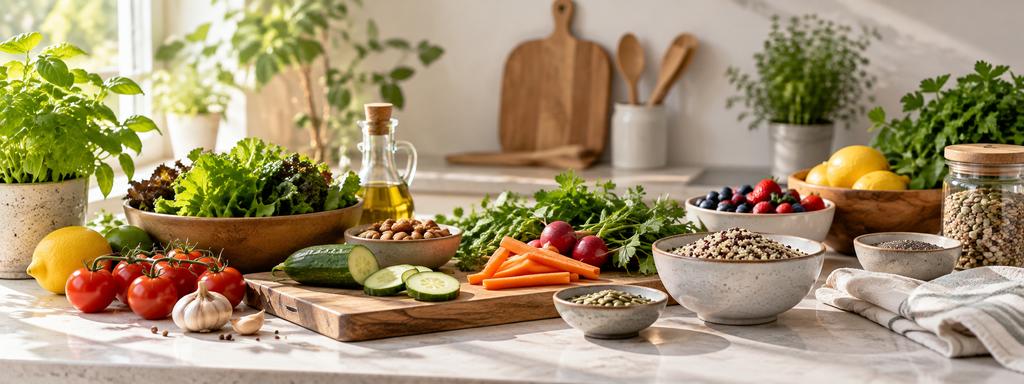
One of the foundations we can work on through Naturopathy is a gradual return to a more natural and varied way of eating.
Vegetables and greens of different colours, fruit, legumes, whole grains, seeds, nuts, herbs, and other minimally processed foods can have a greater place in our eating routine, naturally respecting each person’s individual needs and tolerances.
This does not mean seeking a rigid diet or eliminating food groups indiscriminately.
In most cases, sustainable changes begin in much simpler ways: drinking more water, increasing the presence of vegetables, varying foods, organizing meals better, cooking more often at home, and gradually reducing the habitual consumption of ultra-processed foods.
Small choices repeated over time can make a big difference.
Plants, Herbs and Spices: Much More Than Flavour
Plants also have an important place in the naturopathic tradition.
Herbs and spices allow us to add aroma, colour, and flavour to food and help make a simple diet much more interesting.
When we talk about medicinal plants, therapeutic infusions, extracts, or supplements, however, we enter different territory.
“Natural” does not mean “harmless.”
A plant may have contraindications, interact with certain medications, or not be suitable for particular health conditions. Therefore, the therapeutic use of Phytotherapy should be carried out responsibly and individually.
Food and Emotions Also Meet
There is another dimension that I consider fundamental: our relationship with food.
We eat to nourish the body, but food is also connected to our memories, family, culture, celebrations, and affections.
There are flavours that take us directly back to childhood. Recipes that remind us of someone. A table that represents belonging. A particular aroma capable of awakening a memory we thought we had forgotten.
For this reason, turning food into a permanent source of fear, guilt, or control hardly fits with a true approach to holistic health.
A balanced way of eating also needs to allow for pleasure, social connection, and flexibility.
Health should not mean living at war with our own plate.
Lifestyle Also Nourishes Us
We can carefully choose what we eat and still forget other essential elements.
Sleeping too little, living permanently under stress, spending the day sitting, always eating in a hurry, and leaving no space for rest also affects our well-being.
This is where an integrative perspective becomes particularly important.
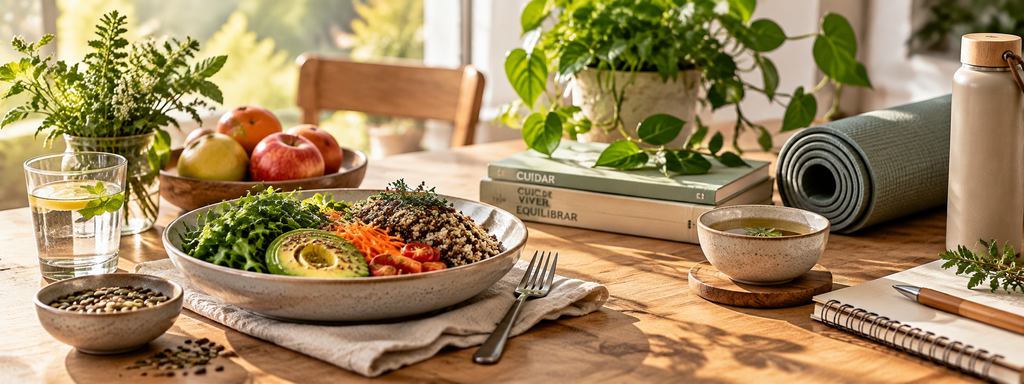
Healthy eating does not exist in isolation. It is part of a whole that includes adequate sleep, movement compatible with each person, hydration, contact with nature, healthy relationships, stress management, and real moments of pause.
We do not need to turn life into a succession of rules in order to take better care of ourselves.
We need to make it more conscious.
Where Does Naturopathy Fit In?
In my practice, Naturopathy can be used as a complementary approach to observe habits and lifestyle, identify aspects that may be improved, and encourage more conscious choices that are compatible with each person’s reality.
It is not about replacing Medicine or Nutrition.
When there are diagnosed illnesses, metabolic changes, allergies or intolerances, specific nutritional needs, eating disorders, or any situation requiring specialized clinical intervention, medical and/or nutritional support is essential.
True integrative work does not seek to compete with other areas of health.
It seeks to engage in dialogue with them.
It is precisely this complementarity that allows us to place the person — rather than an isolated technique — at the centre of care.
Care Also Begins at the Table
Perhaps healthy eating does not need to begin with the question:
“What do I have to stop eating?”
Perhaps we can begin in another way:
“What can I add to my life to nourish myself better?”
More water.
More natural and varied foods.
More colours on the plate.
More awareness.
More movement.
More rest.
More time to chew and savour.
More respect for the body’s own signals.
And less guilt.
Because eating well should not be a punishment or an endless search for perfection.
It should be an everyday form of care.
Naturopathy can help us precisely along this path: to recover simplicity, understand our habits, and build choices that are possible to maintain over time.
After all, caring for our health does not happen only when something goes wrong.
Care is also what we choose to do, a little, every day.
And many of these choices begin in a very simple place: at our table.
About the Author
Elke Franzeck
Clinical Integrative & Transpersonal Therapist · Naturopath · Clinical Aromatherapist · Reiki Master
Elke Franzeck is from Porto Alegre, Brazil, and has lived in Coimbra, Portugal, for 17 years.
Her journey brings together training, experience, and different therapeutic approaches, with an integrative and humanized perspective on care.
Meet the author at Mundo Reiki
Author’s Note
This article is for informational and educational purposes. Naturopathy and integrative therapies are complementary approaches and do not replace diagnosis, treatment, or medical and/or nutritional care when these are necessary.