Cupping Therapy: Tradition and Integral Care
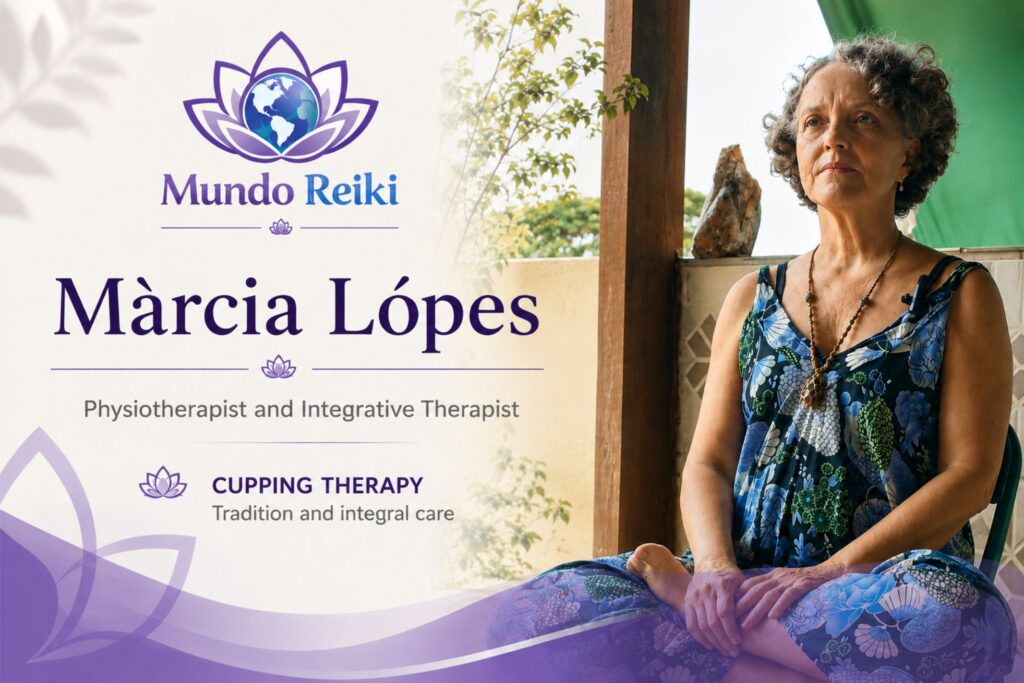
Cupping Therapy is a technique used in Traditional Chinese Medicine and recognized for its different uses in health care. From a Western perspective, it is often used as an auxiliary resource to relieve muscle tension, promote tissue mobility, and contribute to fascia release.
In Traditional Chinese Medicine, Cupping Therapy is understood as a technique that helps support the circulation of Qi (vital energy) and Xue (blood). When these elements circulate harmoniously, the body tends to maintain its balance.
Stagnation, on the other hand, may be associated with different factors, such as exposure to cold and wind, imbalances of the organs and viscera, inadequate nutrition, emotional changes, and sleep disturbances.
Like other therapeutic practices, Cupping Therapy should be applied individually, always following an assessment by a qualified professional.
There are situations in which its application is not recommended, such as over areas with ulcers, burns, or other skin lesions. During pregnancy, the technique also requires specific precautions, especially in the abdominal region.
When appropriately indicated, Cupping Therapy can be part of a broader care plan, respecting each person’s needs, characteristics, and goals.
When is Cupping Therapy used?
Cupping Therapy is often sought by people who engage in physical activities, from amateur sports enthusiasts to professional athletes, as an auxiliary resource for relieving muscle tension and contractures.
It can also be used as part of an individualized therapeutic plan, always according to the assessment and goals defined by the responsible professional.
After application, it is common for the skin to show marks ranging from red to purplish. The intensity of this coloration may vary according to each person’s individual characteristics and the response of the tissues to the technique.
In addition to a sensation of relief, some people may experience mild itching or sensitivity in the treated area, resulting from increased local circulation (hyperemia). These manifestations are usually temporary.
Final considerations
Cupping Therapy is one of the therapeutic resources of Traditional Chinese Medicine and can be part of an integral care plan when appropriately indicated and applied by a qualified professional.
Like any therapeutic practice, its use should respect clinical assessment, the needs, and the characteristics of each person, seeking to promote safe, individualized, and responsible care.
About the author
Márcia Lópes is a physiotherapist, postgraduate in Acupuncture from FRASCE, and an integrative therapist with more than ten years of experience.
Her work focuses on integral health care, bringing together different therapeutic practices to promote well-being, quality of life, and balance.
Throughout her career, she has specialized in Cupping Therapy, Acupuncture, Auriculotherapy, Reiki, Bach Flower Remedies, Yoga, and Tok Sen (traditional Thai therapy), developing an individualized approach centered on each person’s needs.
As a contributor to the Mundo Reiki Library, she represents the area of Cupping Therapy, sharing knowledge that brings this practice closer to the public through clear, accessible language based on her professional experience.
📍 Rio de Janeiro – RJ, Brazil
Meet the author:
Márcia Lópes — Cupping Therapy and Integral Care