Bipolar Disorder: Understanding Before Judging
Special Series — Bipolar Disorder: Between Emotional Extremes and the Search for Balance | Chapter I
There are battles that go unseen. There are silences that conceal deep suffering. And there are diagnoses that need to be understood before they are judged.

When emotions become difficult to balance
We all experience moments of joy, sadness, enthusiasm, and discouragement. These are part of the human experience. In bipolar disorder, however, changes in mood and energy can be much more intense and last considerably longer than ordinary emotional fluctuations.
We are not talking about someone who simply changes their mind or mood. We are talking about a mental health condition that can affect sleep, thinking, behavior, judgment, and relationships.
From my perspective as an Integrative Clinical Therapist, it is important to begin with one certainty: before any diagnosis, there is a person, with their own history, relationships, feelings, and dignity.
What is bipolar disorder?
Bipolar disorder is characterized by episodes of depression and episodes of elevated or altered mood, such as mania or hypomania.
In bipolar I disorder, at least one manic episode occurs, although depressive episodes may also occur. In bipolar II disorder, there are episodes of major depression and hypomania, without a full manic episode. Cyclothymic disorder involves persistent mood fluctuations with symptoms that do not meet all the criteria for full episodes.
The condition varies considerably from one person to another. There is no single course of illness or universal picture of bipolar disorder.
Depression: when everyday tasks require enormous effort
During a depressive episode, getting out of bed, replying to a message, or preparing a meal can require an enormous effort.
Symptoms may include profound sadness, loss of interest, changes in sleep and appetite, difficulty concentrating, guilt, and hopelessness. In severe situations, thoughts of death or suicide may occur.
This is not laziness, ingratitude, or a lack of willpower. Statements such as “cheer up” or “think positively” do not replace clinical assessment. The person needs to be heard, supported, and offered appropriate treatment.
When there is a risk of suicide or immediate danger, emergency assistance should be sought.

Mania and hypomania: what distinguishes these experiences?
Mania may involve unusually high energy, a reduced need for sleep, rapid speech, racing thoughts, irritability, impulsivity, excessive spending, and risky decisions. In severe cases, psychotic symptoms may occur.
A manic episode may require urgent care and should not be romanticized as extraordinary creativity or spiritual expansion.
Hypomania shares some of these characteristics but is less severe and does not involve the same degree of functional impairment. Because it may sometimes resemble a period of increased productivity, it can go unnoticed.
There are also episodes with mixed features, in which depressive and manic symptoms occur together. These situations require particular clinical attention.
The path to diagnosis
There is no single test that confirms bipolar disorder. Assessment is clinical and is usually carried out by a psychiatrist. It considers the history of episodes, sleep patterns, behavioral changes, everyday functioning, family history, and possible alternative causes.
People sometimes seek help only during depression, without recognizing previous episodes of hypomania. As a result, diagnosis can take time.
Receiving a diagnosis may bring relief, but it can also raise fears and questions. Understanding and support are essential, without replacing medical information.
The burden of stigma
The word “bipolar” is often used casually to describe someone who is indecisive or emotional. This usage reinforces stigma.
The condition does not automatically make a person dangerous, incapable, or unpredictable in every circumstance. Many people study, work, love, and pursue meaningful projects with appropriate support.
A diagnosis does not erase abilities or talents. We need to speak about mental health with accuracy and without turning a clinical condition into a moral label.
Human-centered care
Psychiatric care, medication when indicated, and psychological interventions are key elements of treatment.
Some people may seek complementary practices such as Reiki for comfort and relaxation. However, Reiki has not been shown to treat bipolar disorder or prevent relapses.
True integration respects the role of each intervention. As a therapist, I believe it is essential to listen, offer support, and refer people to appropriate professionals. We must not confuse psychiatric suffering with energy blockages or delay necessary care.
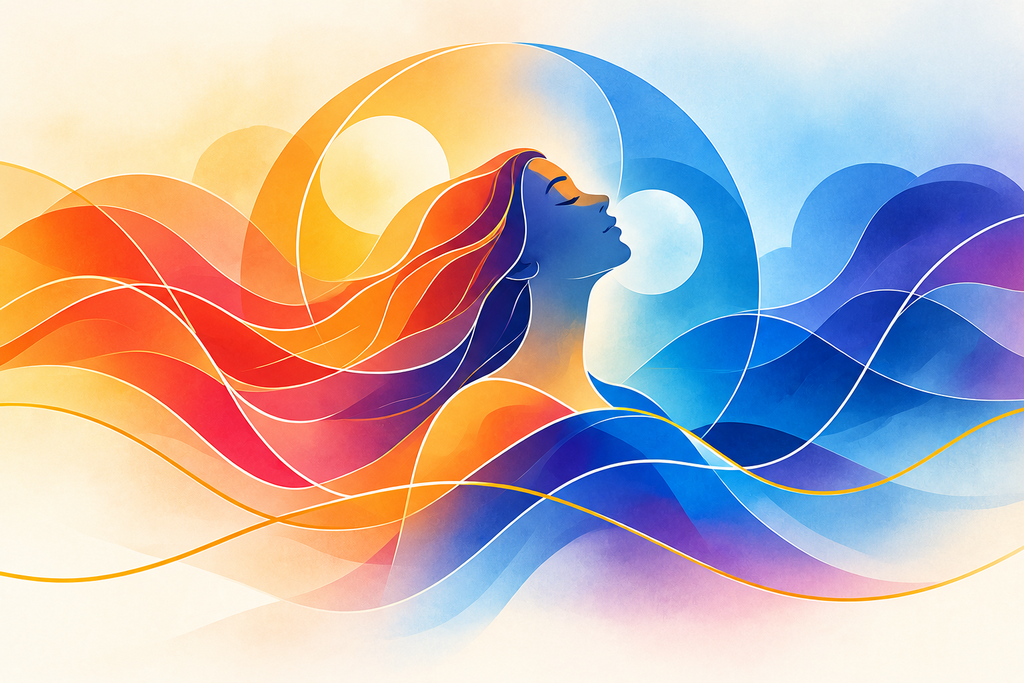
Understanding before judging
An illness may be part of someone’s story, but it should never be mistaken for the entirety of who they are.
May we learn to understand before judging, to listen before labeling, and to offer our presence without denying the importance of treatment.
Elke Franzeck
Integrative and Transpersonal Clinical Therapist · Naturopath · Clinical Aromatherapist · Reiki Master
Caring for the soul also means allowing life to flourish.
Discover the author’s background and areas of practice on Elke Franzeck’s author page at the Mundo Reiki Library.
References for further reading
- World Health Organization — Bipolar disorder
- NICE — Bipolar disorder: assessment and management
- National Institute of Mental Health — Bipolar Disorder
- NCCIH — Reiki
This article is for informational purposes only and does not replace medical assessment, diagnosis, or individualized treatment.